-
 Jul 02, 2026
How Do Peptide Facilities Balance Synthesis Efficiency and Product Purity When Customizing Long-Chain or Complex Modified Peptides?
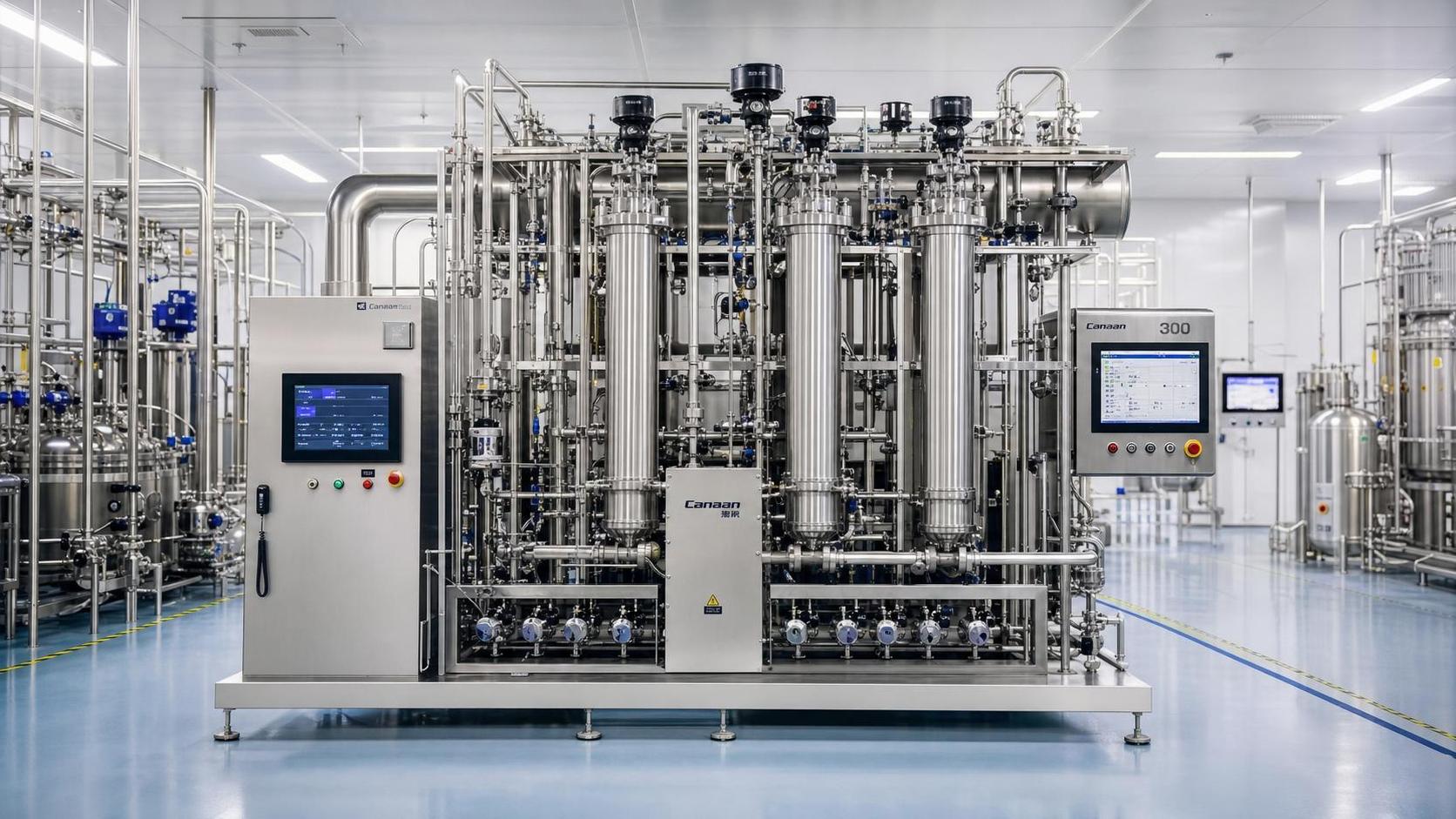
In the field of custom peptide synthesis, long-chain peptides (such as those with amino acid sequences exceeding 50 residues) and highly complex modified peptides (featuring configurations like multiple disulfide-bond cyclizations, phosphorylations, fluorescent labeling, or specialized non-natural amino acids) represent the technical high ground of the industry.
-
 Jul 02, 2026
Why Is Looking Solely at Sample Purity Insufficient to Fully Evaluate a Peptide Facility's True Mass-Production Capabilities?
During the procurement process for peptide raw materials, many buyers engaging with a supplier for the first time fall into a common misconception: as long as the bench-scale sample they receive achieves a purity of 98% or higher, they assume the facility possesses excellent manufacturing standards and proceed to confidently place a bulk order.
-
 Jul 02, 2026
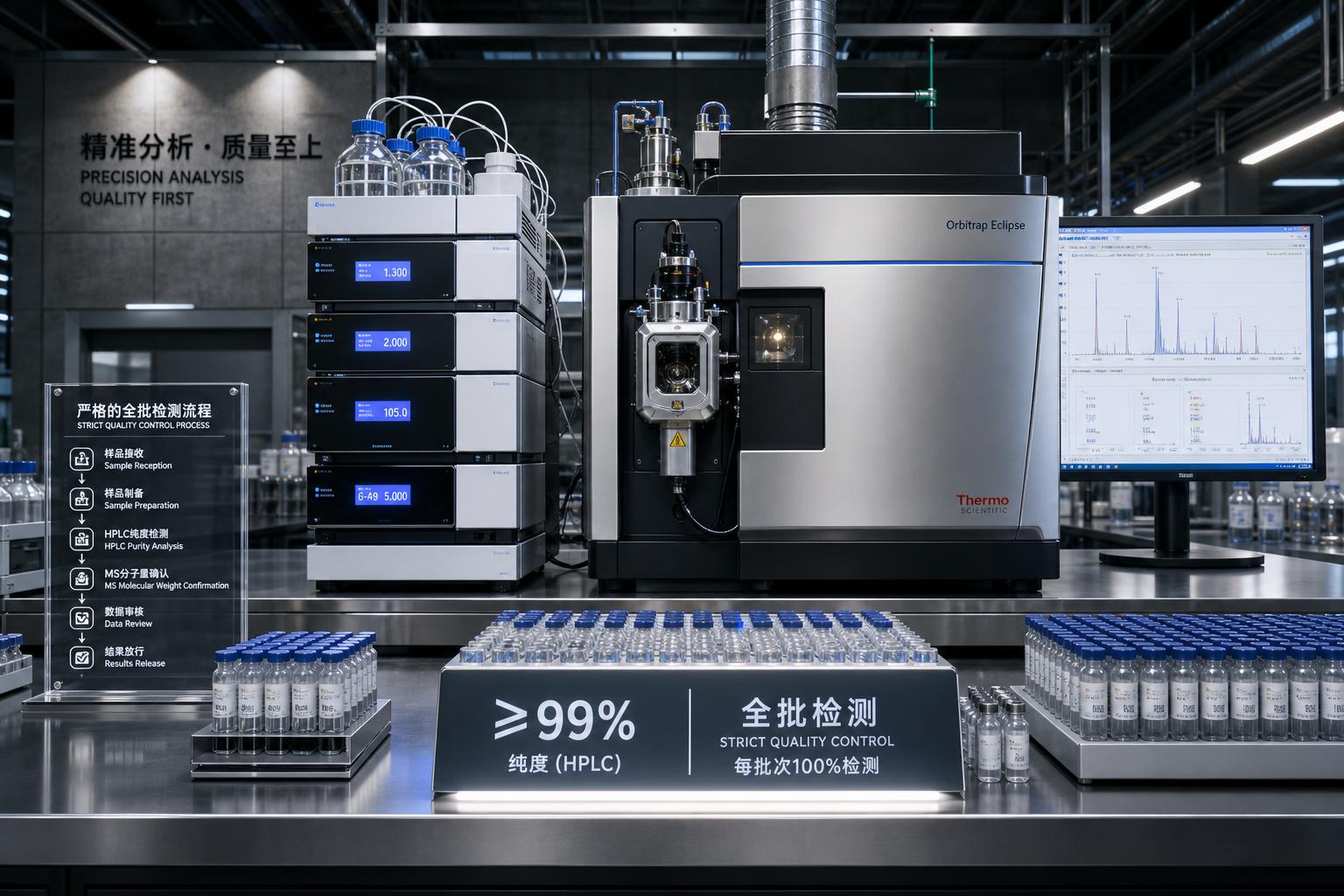
Behind 99%+ Purity: What Rigorous Quality Inspection Processes Do Compliant Peptide Factories Adopt?
In the peptide raw material market, purity is the core criterion for product quality, and high-purity peptides with 99%+ purity are the key to quality upgrading for beauty and health products. Most ordinary peptide products on the market have uneven purity with frequent problems such as residual impurities and unstable batches.
-
 Jun 30, 2026
Global Peptide Demand Boom in 2026: What Cutting-edge New Products Are Top Peptide Factories Developing?
The global peptide industry is witnessing explosive growth in 2026, with surging demand across beauty anti-aging, functional food, and biomedicine sectors driving continuous market expansion. As end-product iteration accelerates, homogeneous conventional peptides can no longer meet high-end market requirements.
-
 Jul 02, 2026
Want to Build Your Own Peptide Brand? What One-stop OEM Support Can a Mature Peptide Factory Provide?
As the market for peptide skincare and functional peptide products continues to boom, numerous entrepreneurs and emerging brands are eager to launch their own peptide product lines.